How to get to Reynisfjara from Reykjavik
The distance, the drive, and an honest comparison of the three ways to reach the black sand beach.
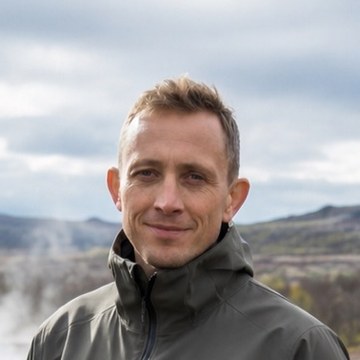 Written with Björn Einarsson, Iceland South Coast tour guide and local specialist
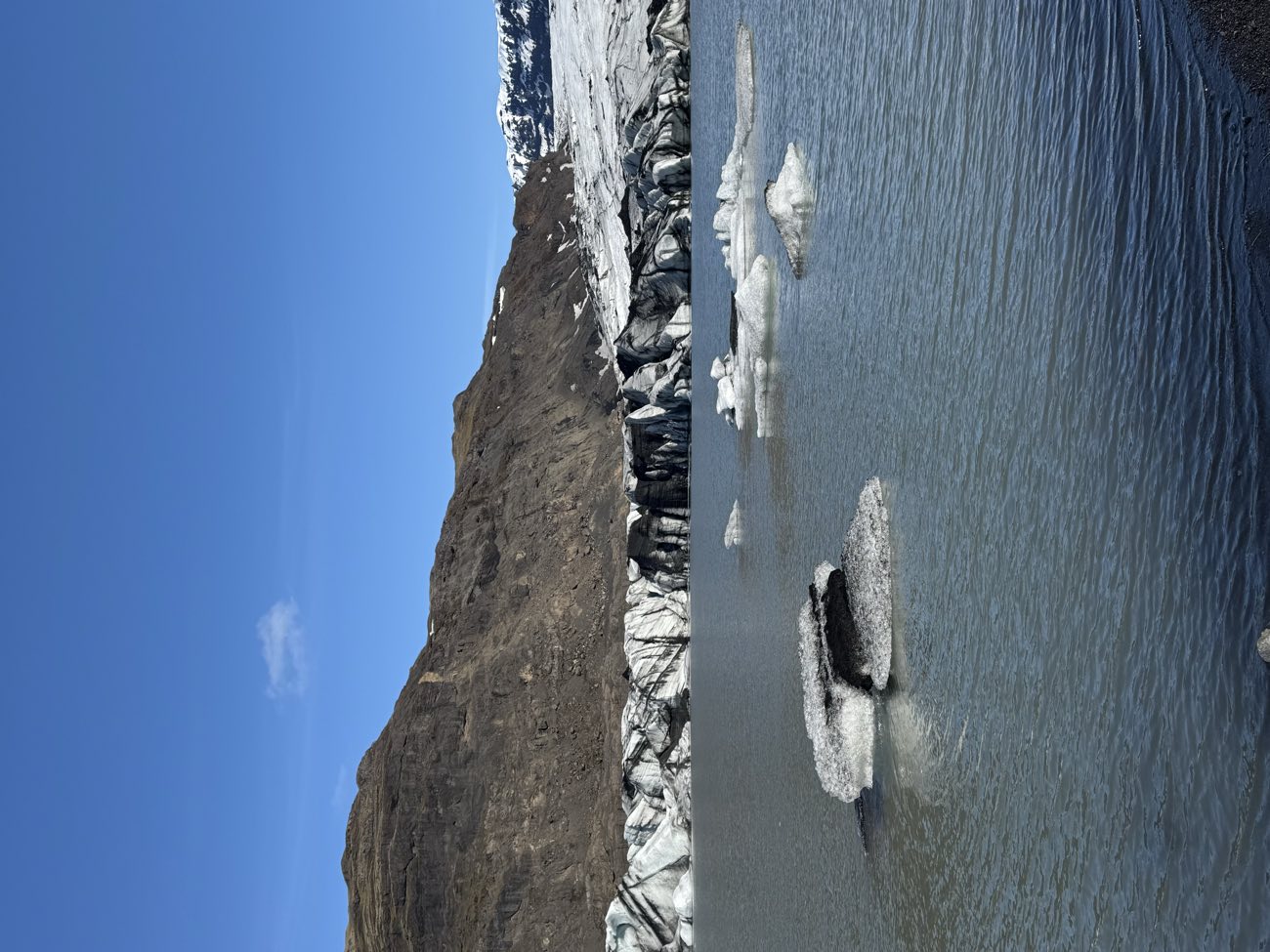
The short answer
Reynisfjara is about 180 km southeast of Reykjavik, roughly a two and a half hour drive along Route 1 (the Ring Road) toward the village of Vik. You have three main options: self-drive a rental car, join a guided South Coast day trip, or take a scheduled bus toward Vik. A guided tour can be convenient because it packs Reynisfjara together with the big waterfalls and a glacier viewpoint in one day, with no driving in Iceland's changeable weather.
For a full day without driving, compare the small-group itinerary with your transport alternatives; it includes Reynisfjara, waterfalls and a glacier viewpoint. Check the guided South Coast day
Access changes with conditions. Follow current signs and closures; beach tours do not guarantee access to the sand, basalt columns or sea cave.
Reynisfjara is far enough from Reykjavik that getting there is a real decision, not an afterthought. It sits on the South Coast near Vik, about 180 km from the capital, and the drive takes roughly two and a half hours in good conditions along Route 1, Iceland's Ring Road. That is a straightforward road, but "good conditions" does a lot of work in a country where the weather turns fast. How you cover the distance shapes your whole day. Access at Reynisfjara is also subject to current restrictions: SafeTravel reported viewpoint-only access when checked on 25 September 2026.
Prefer a passenger seat for the South Coast? Explore a ten-hour trip with Reykjavik pickup, English guiding and at most 18 guests. Explore the Reykjavik pickup trip
The route in brief
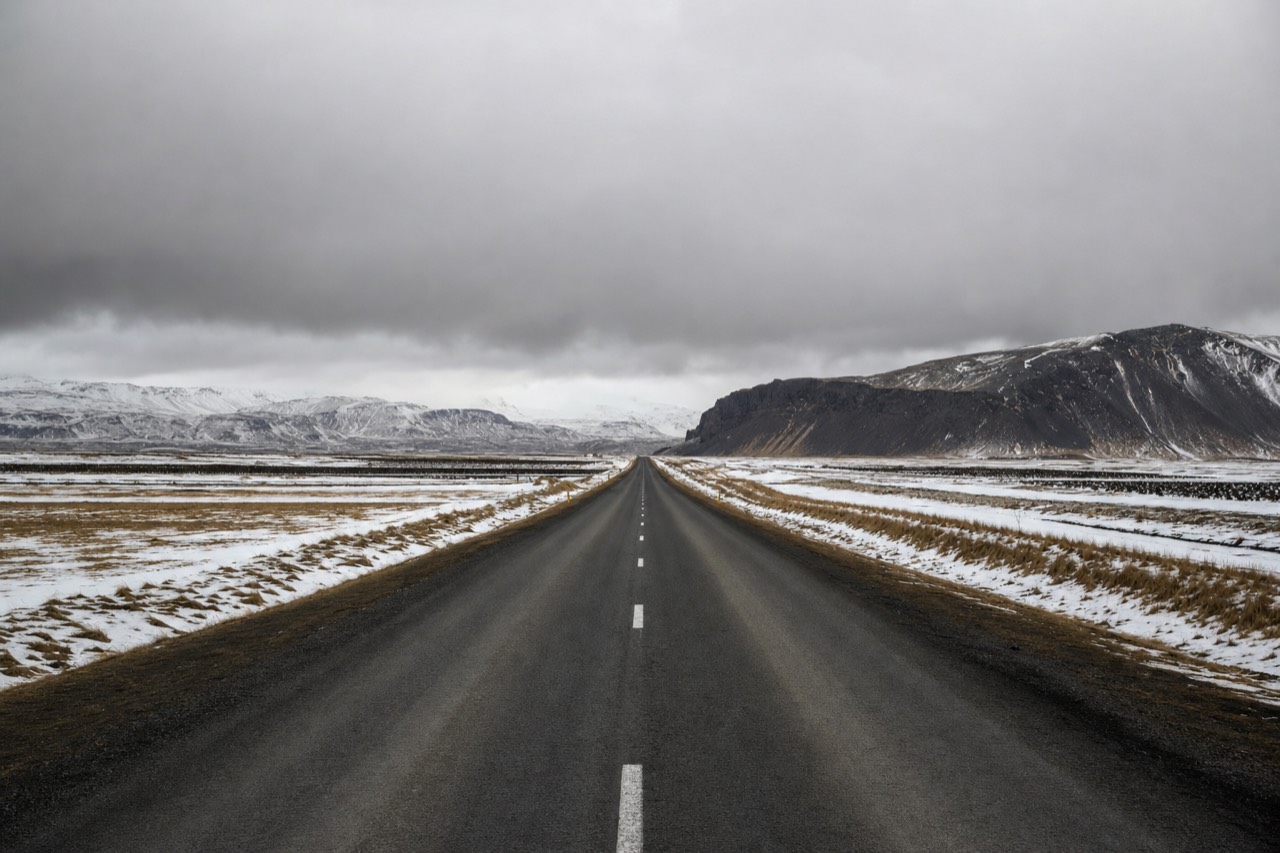
From Reykjavik you head east on Route 1, passing Selfoss and Hvolsvollur, with Seljalandsfoss and Skogafoss along the way before you reach the Reynisfjara turnoff shortly before Vik. It is paved the whole way and needs no special vehicle in summer. In winter the same road can carry snow, ice and strong crosswinds, and daylight is short, which is where the choice of transport really matters.
Because so many of the South Coast's headline sights line up along this single stretch, most people treat Reynisfjara as one stop on a full day rather than a solo destination.
The three ways to get there
| Option | Time to Reynisfjara | Rough cost | Best for |
|---|---|---|---|
| Self-drive rental | ~2.5 h each way | Car hire + fuel | Full flexibility, photographers, early starts |
| Guided day trip | Full-day itinerary; stops before Reynisfjara vary | One ticket, live price on the listing | Most visitors, winter, no rental wanted |
| Scheduled bus | Longer, fixed times | Bus fare | Budget travellers happy to plan around timetables |
Self-drive gives you total control over timing and how long you linger. The trade-off is that you do all the driving on an unfamiliar road, you navigate winter conditions yourself, and you still have to cover the distance twice in a day. It suits confident drivers and photographers who want dawn or dusk light.
A guided day trip removes the driving, because someone else drives the 180 km each way and the day is built to hit Reynisfjara plus the major waterfalls and a glacier viewpoint in one loop. You get a guide, commentary and a fixed plan, and you spend the driving time looking out of the window instead of at the road. Guided departures vary in pickup points and cancellation terms; check the selected booking before planning around it.
A scheduled bus toward Vik is the budget route. It gets you to the area, but timetables are fixed, connections to the beach itself can be awkward, and you lose the flexibility a car or tour gives. It works best for travellers on a tight budget who are happy to plan around the schedule.
Which one should you pick
If you want to control every minute and you are comfortable driving Iceland's roads in whatever the season throws at you, rent a car. If you would rather see the most of the South Coast in one relaxed day without touching a steering wheel, the guided trip is the easy call, and it is why coaches fill the Reynisfjara car park every day. If cost is the deciding factor and you have time to work around timetables, the bus can get you there.
Whatever you choose, build in margin for weather. The South Coast is beautiful precisely because it is wild, and that same wildness closes roads and shifts plans. Check the cancellation cutoff before booking; a forecast change the night before may fall inside it.
What does the drive actually look like along Route 1?
Route 1 out of Reykjavik runs through open farmland and small towns before the South Coast's landmarks start arriving in quick succession: Selfoss, then Hvolsvollur, then Seljalandsfoss and Skogafoss waterfalls, before the road curves toward Vik and the Reynisfjara turnoff. It is a single paved road for the whole distance, which keeps navigation simple even if the weather does not always cooperate.
The first stretch out of the capital is the least dramatic part of the drive: rolling farmland, greenhouses, and small service towns, useful mostly for a coffee stop or fuel. The character of the road changes once Hvolsvollur passes and the South Coast's mountains and waterfalls start appearing on the horizon, which is also roughly where the guided day tour that covers this same route makes its own break stop.
From there, Seljalandsfoss and Skogafoss arrive close together, both directly beside Route 1, before the road runs on toward Vik. The Reynisfjara turnoff sits just before the village, a short detour off the main road rather than a long side trip. Anyone driving this route independently is, in effect, following the same stops the guided South Coast tour uses, just on their own schedule and behind their own wheel.
| Stop | What's there | On Route 1 |
|---|---|---|
| Selfoss / Hvolsvollur | Towns, fuel, coffee stops | Directly on the road |
| Seljalandsfoss | Waterfall you can walk behind | Directly beside Route 1 |
| Skogafoss | Large waterfall | Directly beside Route 1 |
| Solheimajokull | Glacier viewpoint | Short detour off Route 1 |
| Vik | Village, lunch stop | Directly on the road |
| Reynisfjara | Black sand beach | Short detour just before Vik |
How should you pace a self-drive day to Reynisfjara?
If you are self-driving, a workable day budgets roughly 20 to 60 minutes at each major stop depending on what it offers, and treats the driving itself as the biggest single time cost, before allowing time for sightseeing and breaks. These are planning suggestions, not fixed rules. Photographers, families with young kids, or anyone chasing a particular light will naturally spend longer at some stops and skip others.
As a starting plan, you could budget roughly 30 minutes at Skogafoss, 45 minutes at the Solheimajokull glacier viewpoint, 50 minutes for lunch in Vik, 30 minutes at Reynisfjara and 30 minutes at Seljalandsfoss. These are illustrative self-drive timings, not confirmed stops for a particular tour; adjust them freely and allow extra time.
| Stop | Suggested self-drive time | Example planning time |
|---|---|---|
| Seljalandsfoss | 20 to 30 min | 30 min |
| Skogafoss | 30 to 40 min | 30 min |
| Solheimajokull glacier viewpoint | 30 to 45 min | 45 min |
| Vik (lunch/break) | 40 to 60 min | 50 min |
| Reynisfjara | 30 to 45 min | 30 min |
Build in extra margin beyond any of these numbers if you are travelling in winter. Photography stops, road conditions, and simply misjudging how far apart things feel on an unfamiliar road all eat into a tight schedule faster than expected.
What if you want to add the glacier or ice cave to the day?
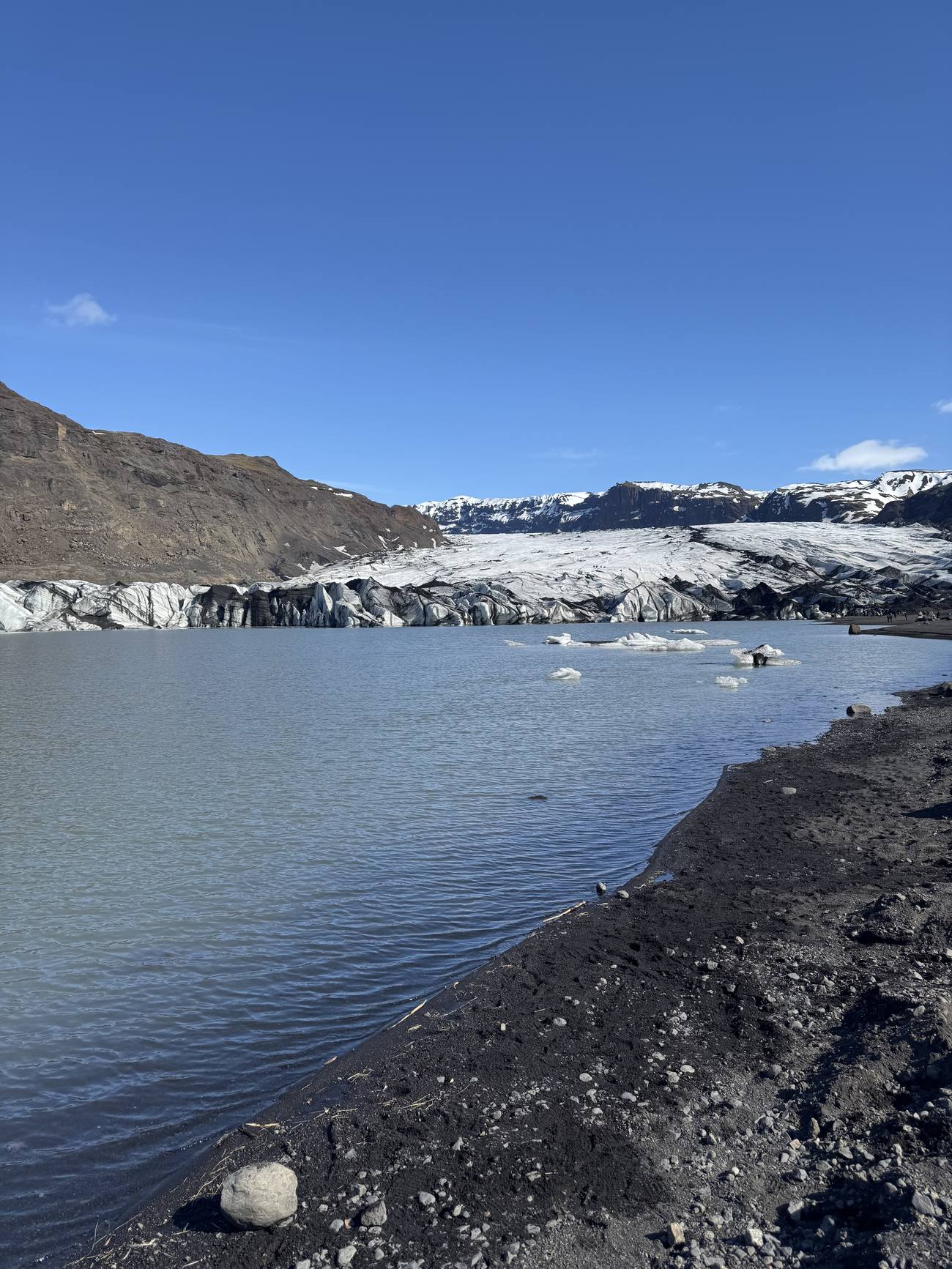
The Solheimajokull glacier walk and the Katla ice cave are both separate bookings from the main South Coast day tour, usually based out of Vik, so going beyond a viewpoint and actually getting onto or into the ice is an add-on rather than something the day tour itself includes. The day tour's glacier stop is a viewpoint, not an ice walk, since walking on the glacier itself requires a certified guide and crampons for safety.
For self-drivers this needs its own time allowance, since Vik functions as a natural base for both add-ons and sits close to Reynisfjara already. For anyone on the guided day tour, the same logic applies in reverse: the day tour covers the viewpoint and the beach, and a glacier walk or an ice cave visit is worth treating as a separate day or a separate booking rather than trying to squeeze both into an already full itinerary.
| Solheimajokull glacier walk | Katla ice cave | |
|---|---|---|
| What it involves | Guided walk on the glacier with crampons | Guided walk inside a real ice cave |
| Base | Near Vik | Near Vik |
| Included in the day tour? | No, viewpoint only on the day tour | No, separate booking |
| Availability | Seasonal guided walk | Bookable year-round |
The timing mistake Bjorn sees most often
The mistake Bjorn flags more than any other is leaving Reykjavik too late in winter, when short daylight and slower Route 1 conditions turn a comfortable two-and-a-half-hour drive into a much tighter window than people expect. After years guiding the South Coast, this is the pattern he watches for before every departure, not a generic warning line.
In summer, a late start barely matters since daylight runs long. In winter, the same late start can mean arriving at Reynisfjara with the light already fading, or worse, driving the return leg to Reykjavik in the dark on a road that can carry snow, ice, or crosswinds. Bjorn's practical fix is simple: treat winter departure times as fixed, not flexible, and build in extra margin on the drive itself rather than assuming the trip will move at summer speed.
It is the kind of detail that only shows up after doing the same drive many times in every season, which is exactly the logistics judgment a guided tour is built to carry for you.
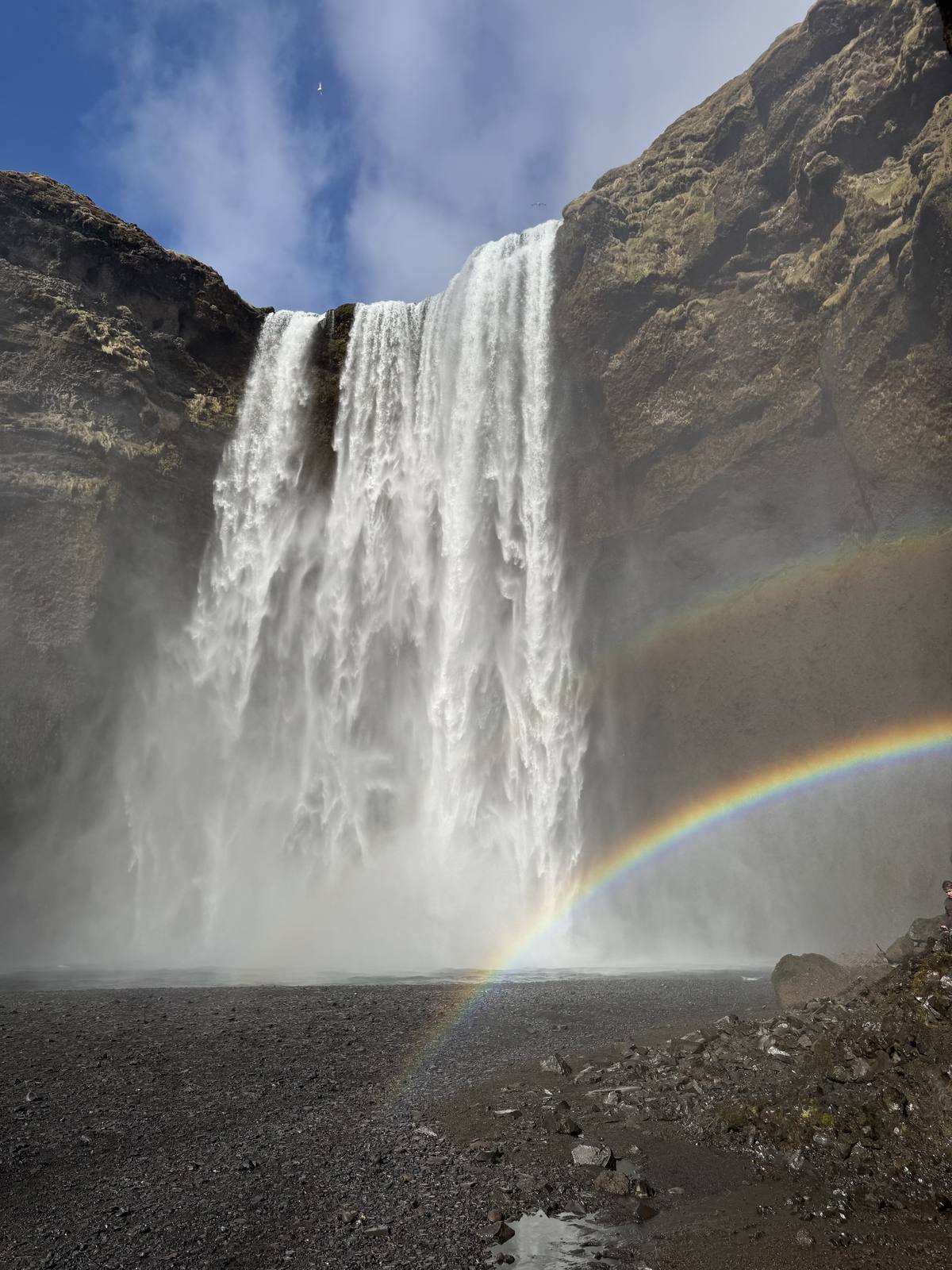
What should you check before you set off?
Before any South Coast drive, checking current road and weather conditions takes a couple of minutes and matters more than anything on a packing list, since a paved, straightforward road in good weather can turn genuinely demanding in poor conditions, and knowing that before leaving Reykjavik is worth far more than discovering it halfway to Vik. This is a five-minute habit, not a research project, and it applies whether you are self-driving or simply want to understand what a guide is doing on your behalf.
Route 1 needs no special vehicle in summer and is a comfortable, well-signed drive most of the year. Winter is where the checklist actually earns its keep. Snow, ice, and strong crosswinds can all appear on exposed stretches of the South Coast, and conditions can shift over the course of a single day in a way that a forecast checked the night before will not fully capture. Checking again on the morning of the drive, not just the day prior, catches changes that matter.
Fuel is the other practical piece that is easy to overlook when the scenery is doing all the talking. Service towns like Selfoss and Hvolsvollur sit directly on Route 1 early in the drive, which makes them the natural point to fill up before the longer stretch toward Vik and Reynisfjara, rather than relying on finding fuel later on a schedule built around waterfalls and viewpoints.
| Before you leave Reykjavik | Why it matters |
|---|---|
| Check current road and weather conditions | Route 1 conditions can shift fast, especially in winter |
| Fill the tank before leaving the city | Service stops thin out once you are past Hvolsvollur |
| Download or save offline directions | Signal can be patchy on some South Coast stretches |
| Dress in layers appropriate for the season | Wind off the coast is a factor in any month |
| Build buffer time into the day | One delayed stop should not compress the whole plan |
| Tell someone your rough route and timing | Standard, sensible practice for any long solo drive |
A self-driver is carrying every one of these decisions personally, which is exactly the trade for the flexibility self-driving gives you. A guided day tour absorbs the same list quietly in the background: someone else has already checked the conditions, filled the tank, and planned the timing before you even reach the pickup point.
| Task | Self-drive | Guided day tour |
|---|---|---|
| Checking road and weather conditions | Your responsibility, every time you drive | Handled by the driver before departure |
| Fuel stops | You plan, time, and pay for them | Not something you think about |
| Navigation along Route 1 | You navigate yourself | Built into the route already |
| Deciding whether to adjust the day for weather | Your call, made without local experience | The guide's call, made with years on this road |
| Getting yourself and a rental car back to Reykjavik | Your responsibility at the end of a long day | Included in the ticket, no driving required |
Neither column is the "right" one. What changes is who is doing the checking, and how much of it you want on your own plate on a day that is already long. If the answer is "as little as possible," travelling as a passenger removes the driving, navigation and fuel planning from your day.
The checklist above matters more in some seasons than others, which is worth being honest about rather than treating every month as equally demanding. In summer, most of these checks are a formality: the road is dry, daylight is abundant, and a missed fuel stop or a late check of conditions rarely turns into a real problem. The margin for error is simply wider when the sun barely sets and the road surface is predictable.
Winter removes that margin. A road that behaves normally in the morning can carry snow or ice by afternoon, and the same short daylight window that makes a late departure risky also means there is less time in the day to recover from a delay. This is exactly the kind of situation where checking conditions is not a box-ticking exercise but the difference between a smooth day and a genuinely stressful one, and it is a large part of why the checklist above earns more weight from November through March than it does in July.
None of this is meant to talk anyone out of self-driving. Plenty of visitors do this route independently every year, in every season, and come away glad they had the flexibility to stop wherever the light or the mood struck them. What the checklist does is make explicit the work that a guided tour otherwise absorbs quietly, so a self-driver walks into the day with open eyes rather than assuming a paved Ring Road behaves the same way in January as it does in June.
Whichever way you travel, the underlying goal is the same: arrive at Reynisfjara having spent your energy enjoying the coastline from the permitted viewing area, not recovering from a drive that took more out of you than expected.
There is also a simple test that cuts through most of the back-and-forth about which option suits you: picture the last hour of the drive back to Reykjavik after a full day out. A self-driver in that seat is still watching the road, still tracking fuel, still making small decisions about pace and stops, right up until the car is parked. A tour passenger in that same hour is watching the scenery go by from a seat that someone else is responsible for. Neither picture is wrong, but one of them is a noticeably more relaxing way to end a long day, and it is worth being honest with yourself about which one you actually want before you book anything.
First-time visitors to Iceland tend to underestimate how much a full South Coast day actually asks of a driver, simply because the distances on a map look modest compared with a home country's motorway network. The reality on the ground is a full day behind the wheel bookended by sightseeing, on a road that rewards attention rather than autopilot. None of the checklist above is about discouraging that choice, only about making sure it is made with a clear picture of what the day genuinely involves, rather than a rosier one built on distance alone.
None of this changes the underlying appeal of the drive itself. Route 1 along the South Coast is still one of the more rewarding stretches of road in the country, checklist or not, and the same waterfalls and viewpoints that draw the guided tour are waiting for a self-driver too. The point of checking conditions before you set off is not to talk anyone out of the trip, it is to make sure the version of the day you actually get matches the one you pictured when you planned it.
Common questions
How far is Reynisfjara from Reykjavik?
Reynisfjara is about 180 km southeast of Reykjavik, near the village of Vik. The drive takes roughly two and a half hours each way along Route 1, the Ring Road, in good conditions. Winter weather can make it slower, so allow extra time.
Can you visit Reynisfjara without a car?
Yes. Guided day trips from Reykjavik include transport and pair Reynisfjara with the major South Coast sights, and scheduled buses run toward Vik. A guided tour is a carless option that it handles the driving and the planning in one ticket.
Is it worth driving to Reynisfjara yourself?
Self-driving suits confident drivers who want full flexibility and early or late light, especially in summer. In winter the road can carry snow, ice and strong winds with short daylight, so many visitors prefer a guided tour that removes the driving stress.
Can you do Reynisfjara as a day trip from Reykjavik?
Yes, easily. At about two and a half hours each way, Reynisfjara is a comfortable day trip, and most guided South Coast tours cover it alongside waterfalls and a glacier viewpoint in a single day. Start early to make the most of the daylight.
Choose Your Visit
Initial editorial recommendation. Check pickup and all operator requirements before booking.
Compare Options And Adjust Your Plan
- Iceland's South Coast Full Day Small-Group Tour from Reykjavik: Visit the South Coast waterfalls and the Reynisfjara area in a group of up to 18. 10 hours. Departs from and returns to Reykjavík. Follow current closures: sand, columns and cave access are not guaranteed. Confirm your pickup point.
- South Coast Day Tour Black Sand Beach & Waterfalls from Reykjavik: Combine the South Coast waterfalls and the Reynisfjara area on a shared coach itinerary. 10 hours. Departs from and returns to Reykjavík. Follow current closures: sand, columns and cave access are not guaranteed. Confirm your pickup point.
Iceland's South Coast Full Day Small-Group Tour from Reykjavik
Check your travel date and Reykjavík pickup before arranging separate transport. Allow ten hours for the minibus route, including waterfalls and a Reynisfjara-area stop.
10 hours. Departs from and returns to Reykjavík. Guide; Minibus transport; Reykjavík pickup. Meals and drinks cost extra.
Follow current closures: sand, columns and cave access are not guaranteed. Confirm your pickup point.
Choose your date on Viator while the schedule loads.
Scheduled departures only. Availability and final price are confirmed on Viator.