Is it illegal to take black sand from Iceland?
What the rules say about pocketing sand or stones from Reynisfjara, and the simple reason it is better to leave them.
The short answer
Taking black sand or rocks from Reynisfjara is not something you should do. Iceland protects its nature areas, and removing sand, stones or other natural material from protected sites is against the rules and can carry penalties. Reynisfjara is exactly the kind of fragile, actively eroding coastline these protections exist for. Leave the sand and stones where they are, take photos instead, and the beach stays intact for the next visitor.
It is a natural impulse. The sand is jet black, the pebbles are smooth, and a small handful feels like a harmless souvenir. At Reynisfjara it is neither harmless nor a good idea, and the rules in Iceland lean firmly against it. Here is how it actually works, without overstating a specific penalty.
What the rules say
Iceland places a lot of its landscape under nature protection, and the general principle is straightforward: you leave natural areas as you found them. Removing sand, stones, rock, plants or other natural material from protected sites is not permitted, and doing so can carry penalties. The exact consequence depends on the site, the scale of what is taken and the circumstances, so the honest framing is that it is against the rules and can be fined rather than a fixed figure anyone should quote.
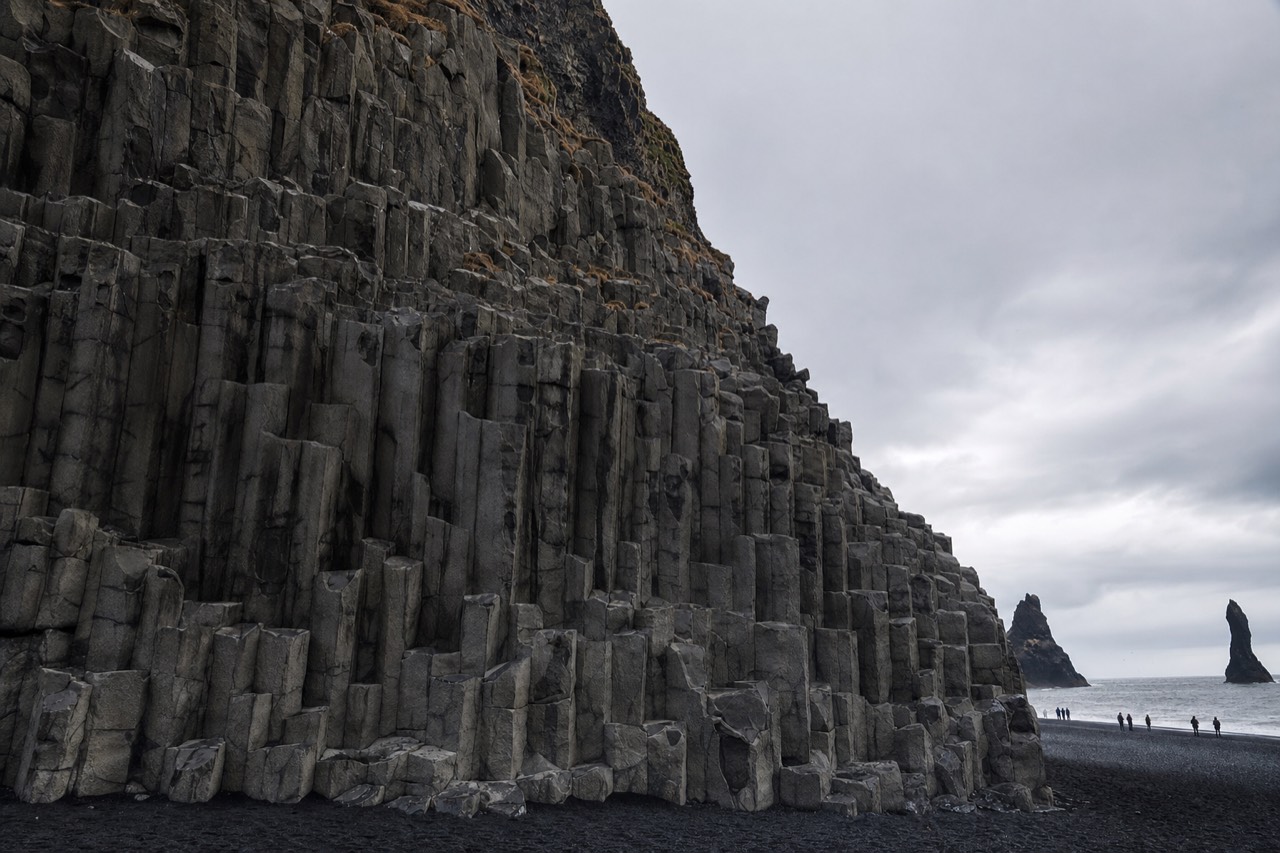
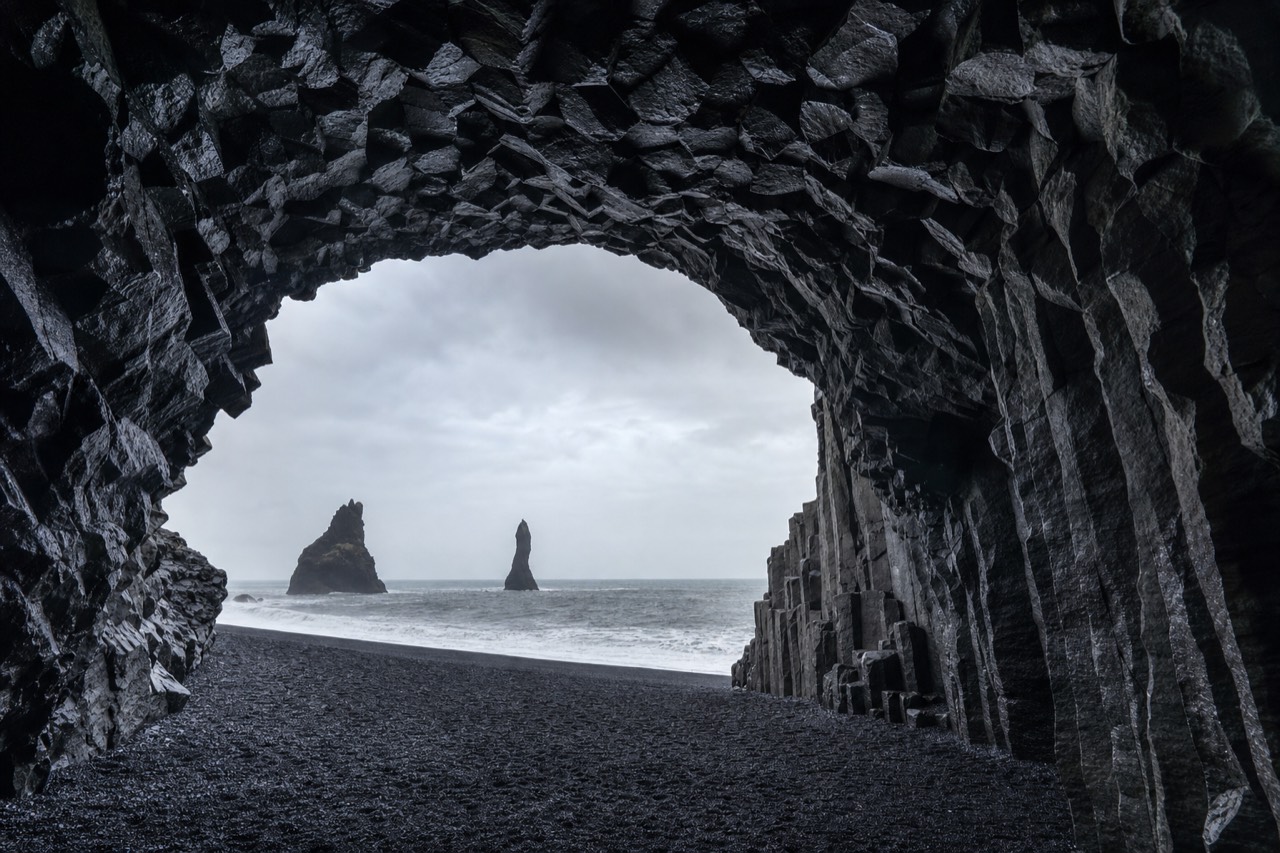
Reynisfjara sits within the kind of protected, sensitive coastal environment these rules are built for. It is a living, moving shoreline, not a quarry, and the same storms that reshaped it in 2026 show how much the coast depends on the material staying put.
| Souvenir habit | Allowed at Reynisfjara? | Better alternative |
|---|---|---|
| Taking black sand home | No, leave it in place | Photograph the sand and surf |
| Pocketing pebbles or rocks | No, leave it in place | Buy sand or stone souvenirs from a licensed shop |
| Stacking rock cairns | Discouraged, disturbs the site | Leave the beach as you found it |
| Taking photos and video | Yes, freely | This is the souvenir to take |
Why leave it
Beyond the rules, the reason to leave the sand is that the beach needs it. Reynisfjara is an actively eroding coastline where storms already strip and rebuild the sand on their own timetable. Every handful removed is material that does not come back, and multiplied across the huge number of visitors each year, small souvenirs add up to real loss. Leaving it is a small courtesy to the next person who wants to see a black beach rather than a picked-over one.
The practical version of "leave no trace" here is easy. Take photographs, not physical pieces. If you want something to bring home, licensed shops in the area sell sand, stone and lava souvenirs sourced properly, which is the legal and low-impact way to keep a piece of the South Coast. On a guided visit, the [South Coast day trip that stops at Reynisfjara](https://www.getyourguide.com/reykjavik-l30/southern-iceland-tour-t67018/?partner_id=MME1WGW&utm_medium=online_publisher) includes a guide who explains what you can and cannot do on the beach, so nobody wanders into trouble by accident.
The same logic across Iceland
Reynisfjara is not a special case. The same "look, don't take" principle applies at protected sites across the country, from moss-covered lava fields to other beaches and waterfalls. Iceland's landscapes recover slowly, and some, like the fragile moss, barely recover at all. Treating the black sand as off-limits for souvenirs is part of a wider habit that keeps these places worth visiting. It costs you nothing and it keeps you on the right side of the rules.
What can happen if you are caught taking sand or rock?
Removing sand, stones, or other natural material from a protected Icelandic site is treated as a genuine nature-protection violation, and getting caught typically means the material is confiscated on the spot rather than a shrug and a warning. The exact process depends on the site and the circumstances, so this page is not going to quote a fixed fine, a set number, or an enforcement statistic, because none of that is established anywhere trustworthy. What is consistent is the direction of travel: Iceland treats these rules as protecting the land, not as a technicality tourists can talk their way around.

The risk does not stop at the beach. Leaving Iceland by air can involve customs and biosecurity checks, and natural material such as sand, rock, or soil found in luggage can be confiscated at that point too, sometimes well after the visit that produced it is a distant memory. That is a second, separate moment where a pocketed souvenir can simply be taken away, on top of whatever risk was involved in collecting it in the first place.
None of this needs a scare story to land. The point of the rule is not to catch people out, it is to keep a fragile, actively moving coastline intact for the visitors who come after you.
| Where the risk shows up | What it generally means | Practical takeaway |
|---|---|---|
| At the beach itself | Removing natural material is a protection-rule violation | Treat "leave it in place" as the rule, not a suggestion |
| At departure (airport customs) | Natural material in luggage can be checked and confiscated | A pocketed souvenir can be lost anyway, after the fact |
| Across Iceland's protected sites | The same "leave as found" principle applies broadly | The rule is not unique to Reynisfjara |
If there is one habit worth building before you even reach the beach, it is treating your pockets as a one-way street: things go in for photos and come back out, nothing else joins them.
What can you take home instead?
The fully legal, zero-risk souvenir from Reynisfjara is a photograph, and the upgrade on that is a licensed shop selling sand, stone, or lava products that were sourced and processed properly rather than lifted from the beach in front of you. Neither costs anything in guilt or risk, and both let you keep something real from the visit without taking something real from the coastline.
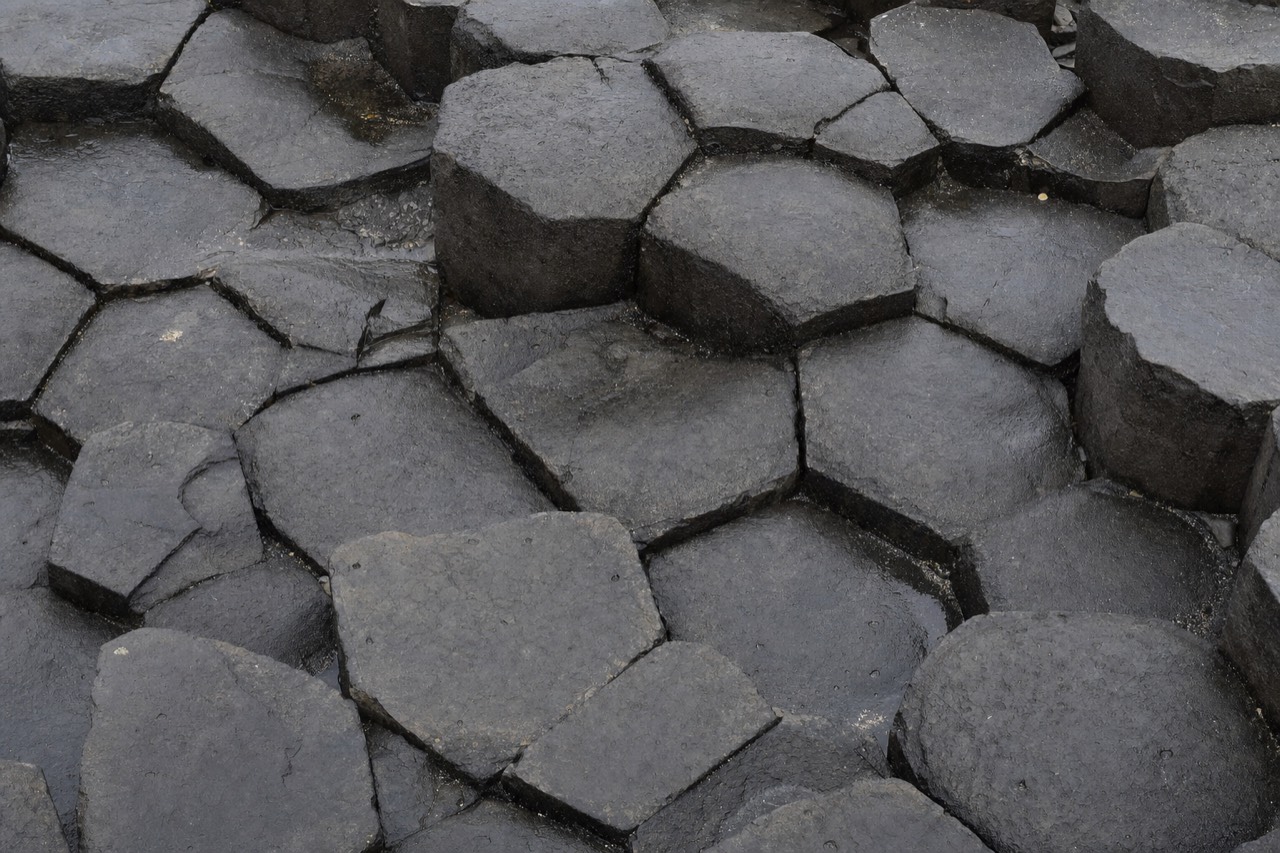
Photography does more work than people usually give it credit for. A wide shot of the sea stacks catching the light, a close macro of the basalt columns' hexagonal tops, or a short video of a wave rolling across the sand captures Reynisfjara more completely than a handful of loose material ever could, and it travels home in a phone rather than a suitcase pocket where customs might find it.
If a physical object still matters more to you than a photo, the licensed route is the honest middle ground. Shops along the South Coast sell sand, stone, and lava products that were sourced and prepared properly, which means you get a tangible keepsake without the compliance risk or the small, real cost to the beach itself.
| Souvenir type | Legal at Reynisfjara | Where to get it |
|---|---|---|
| Photos and video | Yes, unlimited | Your own camera or phone |
| Licensed sand, stone, or lava products | Yes | South Coast shops, sourced and sold properly |
| A guidebook, print, or postcard of the beach | Yes | Local shops and visitor centres |
| Sand, rock, or pebbles picked up on site | No | Leave it on the beach |
Either way, the visit stays exactly as memorable. What changes is whether the memory travels home in a way that keeps you, and the beach, out of trouble.
Does the 2026 erosion change the rules?
No. The protection rules apply to Reynisfjara regardless of how much loose sand, rock, or pebble happens to be sitting on the beach at any given moment, and the February 2026 slope collapse and storm erosion did not open some new loophole. If anything, a coastline that is actively losing material to storms needs the "leave it as you found it" principle more, not less, while it works through a natural rebuilding cycle.
It is tempting to reason the other way: a coarser, rockier beach with visibly more loose material lying around must surely mean a small handful matters less than it used to. That logic runs backward. The extra rock and pebble visible after the 2026 event is not surplus waiting to be pocketed, it is still part of the same system that slowly rebuilds the shoreline over time. Treating a recovering coast as more available, rather than less, works directly against the same natural process everyone hopes restores the classic black sand.

The practical read for a 2026 or 2027 visit is simple. The rules described earlier on this page apply exactly as written, storm or no storm, collapse or no collapse. Nothing about the beach looking different right now changes what you should or should not put in your pocket.
How does this compare to other natural sites worldwide?
Reynisfjara is not unusual in discouraging souvenir collection: most protected natural areas worldwide, from national parks to protected coastlines and volcanic or geologic sites, discourage or ban removing natural material, and Iceland's approach sits inside that global norm rather than standing out as unusually strict. Anyone who has visited a national park elsewhere has almost certainly already met a version of this same rule, even if they did not think of it in those terms at the time.
| Type of protected site | Typical stance on removing natural material | Familiar example |
|---|---|---|
| National parks | Generally banned | Rocks, plants, wildlife, artifacts |
| Protected coastlines and beaches | Generally banned or strongly discouraged | Sand, shells, driftwood |
| Volcanic and geologic sites | Generally banned | Lava rock, minerals, sand |
| Culturally or historically protected sites | Generally banned | Ruins, artifacts, natural features |
The pattern repeats because the reasoning behind it repeats: these places are protected precisely because they are finite, fragile, or both, and individually small removals scale into real damage across the sheer number of people who visit each year. Reynisfjara fits every category on that list in a single beach. It is volcanic, it is coastal, and it is protected.

Treating it with the same respect you would show a national park back home is not an extra layer of caution reserved for Iceland. It is simply applying a rule most travellers already carry with them, to a beach that happens to deserve it as much as anywhere.
How do customs and airport checks actually work for this?
International airports commonly run agricultural and biosecurity screening on both incoming and outgoing luggage, because soil, sand, plant material, and other natural substances can carry pests or affect biosecurity between regions, and this is standard practice at borders worldwide, not something unique to Iceland or triggered specifically by a Reynisfjara souvenir. It sits as a second, separate checkpoint from the nature-protection rule that already applies at the beach itself, and it exists whether or not anyone noticed you at the sand.
Anyone who has flown internationally before has likely already met a version of this system, even without thinking of it in those terms. Declaring food, plants, wood, or soil on an arrival card is routine at many borders, and the reasoning behind it, that something harmless in one region can cause unintended problems in another, is the same reasoning behind screening a suitcase for sand or stone leaving a protected coastline. Iceland's airports are not doing anything unusual by asking travellers to be upfront about the natural material in their bags. It is a well-established convention repeated at airports on every continent, not a local quirk invented for this beach.
The practical shape of this is routine rather than dramatic, and it helps to picture what actually happens rather than imagining a worst case. Staff are not searching every single bag for a handful of sand. What does happen is the kind of general screening that flags anything unusual, undeclared, or clearly natural in origin, which is a broad net rather than a targeted hunt for beach souvenirs specifically. A memory card full of photographs draws no attention whatsoever. A pocket or bag holding loose sand, rock, or soil is exactly the kind of thing that broad, routine screening is designed to catch, and sand from Reynisfjara is no exception to that general pattern.
It also helps to separate two different moments that sometimes get blurred together. One is the nature-protection rule that applies the instant something natural leaves the beach, discussed earlier on this page. The other is the border and biosecurity process that can catch the same material again later, at a completely different point in the trip, sometimes long after the beach itself is a distant memory. Either moment on its own is reason enough to leave the sand where it is.
What screening like this generally looks for is worth laying out plainly, so nobody is caught off guard by something that is, in the end, just routine process repeated at borders everywhere:
| What commonly gets checked | Why it can get flagged | How common is this concern |
|---|---|---|
| Loose sand, soil, or plant material | Biosecurity and pest-risk screening between regions | Standard practice at most international borders |
| Rock, mineral, or stone samples | Can fall under natural-site protection rules | Common at protected-area exits worldwide |
| Anything undeclared and unusual in luggage | Standard part of routine screening everywhere | Applies to every traveller, not a targeted search |
| Items openly declared on arrival or departure cards | Generally the fastest, lowest-friction path through | The straightforward, honest route |
None of this needs to turn into a stressful moment at the gate, and it should not put anyone off a trip they have already planned. If sand or a stone genuinely does end up in a bag, whether picked up absent-mindedly on the beach or packed before this page was read, common-sense options exist that avoid the risk entirely rather than hoping nobody notices.
This is also a useful moment to separate two different countries' worth of rules, since a trip through Reynisfjara often connects to a flight home somewhere else entirely. Iceland's own nature-protection rule is what applies at the beach, and it is the one this page has already covered in detail. Whatever your home country's customs and biosecurity process asks on arrival is a second, independent layer on top of that, and it is worth a quick glance at your own destination's guidance rather than assuming Icelandic rules are the only ones in play on the journey home. Many countries ask arriving travellers directly whether they are carrying soil, sand, rocks, or other natural material, precisely because the same biosecurity logic applies in reverse once you land somewhere new.
Framed that way, the sensible habit is not really about fearing a specific checkpoint. It is about treating "natural material stays where it is" as the rule for the whole trip, start to finish, rather than something that only matters for the walk back from the beach to the car park. A traveller who never picks anything up in the first place never has to think about any of this again, at any airport, in any country.
It is worth pointing out, too, that none of this friction attaches to the parts of the visit most people actually remember. The sound of the surf, the scale of the sea stacks, the texture of the basalt columns underfoot, all of that travels home perfectly well without ever touching a customs form. The only thing screening ever concerns itself with is physical material leaving in a bag, which makes the whole subject far smaller in practice than it can sound when written out in full.

| If you already have some | Sensible next step |
|---|---|
| Still near the beach or elsewhere on the South Coast | Simplest fix: return it to where it came from before you leave the area |
| Packing a suitcase for the airport | Leave it out of the bag entirely, it is not worth the risk |
| At the airport with a donation or amnesty option available | Use it rather than carry the material any further |
| Asked directly by staff at a checkpoint | Declare it honestly rather than deny having it |
| Already home with something you should not have taken | Do not repeat the habit on a future visit, and treat this page as the reminder |
The theme across all of this matches the rest of this page and does not need restating with any new drama. The easiest way through customs and airport screening is simply not to be carrying natural material from a protected site in the first place. Photographs cross every border without a second look, and in most cases they end up being a better record of the visit than a handful of sand ever was.
Common questions
Can you take black sand home from Reynisfjara?
No. Removing sand, stones or other natural material from Iceland's protected nature areas is against the rules and can carry penalties. Reynisfjara is a protected, actively eroding coastline, so leave the sand where it is and take photos instead.
Is there a fine for taking sand or rocks in Iceland?
Removing natural material from protected sites is not permitted and can be penalised, but the exact consequence depends on the site and circumstances. Rather than risk it, leave sand and stones in place. Licensed shops sell properly sourced sand and lava souvenirs if you want to take a piece home.
Why does it matter if I take a small handful?
Reynisfjara loses and rebuilds sand through storms already, and the coast depends on that material staying put. A single handful seems harmless, but across millions of visitors it adds up to real erosion. Leaving it keeps the beach intact for everyone who comes after you.
Can I buy black sand or lava souvenirs legally?
Yes. Licensed shops in the South Coast area and beyond sell sand, stone and lava products that are sourced properly. That is the legal, low-impact way to bring a piece of Iceland home without taking anything from a protected beach.